





“`html
Introduction: Overview of WWDC 2025 – Setting the Stage
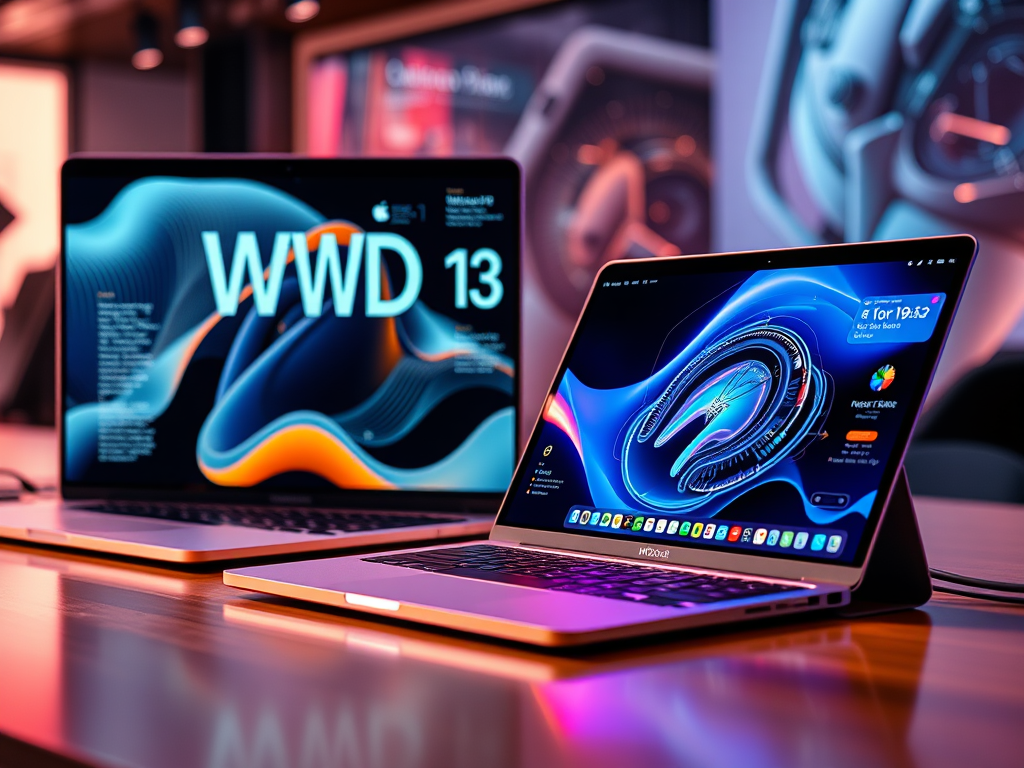
WWDC 2025, Apple’s highly anticipated Worldwide Developers Conference, promises to be a landmark event as it sets the stage for the future of its ecosystem. With expectations running high, industry insiders speculate that Apple will unveil significant advancements, particularly in augmented reality and AI, as the tech giant aims to solidify its position as a leader in innovation. The atmosphere leading up to this year’s conference is charged with anticipation, as developers and fans alike are eager to see how Apple will address current technological challenges and enhance user experience across its platforms. Such enhancements are expected to encompass improvements in software, new features for iOS, macOS, and a leap in hardware innovations, as Apple continues to expand its footprint in emerging technologies [Source: The Verge]. This convergence of software and hardware reflects Apple’s ongoing commitment to user-centric design, making WWDC 2025 not just an event, but a pivotal moment in the evolution of technology.
For further insights into Apple’s upcoming innovations, consider exploring Apple’s new look: navigating challenges amidst technological transformation.
Key Announcements and Product Reveals
During WWDC 2025, Apple unveiled several groundbreaking software and hardware announcements that captured the attention of tech enthusiasts and developers alike. One of the highlights was the launch of iOS 18, which introduced advanced features like a more intelligent Siri, enhanced privacy settings, and further integration with the Apple ecosystem. The updated operating system promises a more personalized user experience, allowing users to customize their interface and notifications more thoroughly.
Additionally, Apple revealed the M3 chip, a significant upgrade featuring improved performance, lower power consumption, and enhanced graphics capabilities. This chip powers the new MacBook Pro models and the iMac, offering users faster processing speeds and better battery life. The transition to the M3 signifies Apple’s ongoing commitment to elevating the Mac experience with cutting-edge technology [Source: The Verge].
In the software arena, macOS 15 was unveiled with robust features designed to enhance productivity and workflow. The new “Stage Manager” feature allows users to organize their workspace seamlessly, enabling multitasking across various applications [Source: AppleInsider].
Another significant announcement was the introduction of Apple Vision Pro—a mixed-reality headset that brings together augmented and virtual reality experiences. This device is expected to revolutionize how users interact with digital content, merging real-world environments with virtual elements [Source: CNBC].
With these advancements, Apple continues to push the boundaries of innovation, setting the stage for a transformative year ahead in technology. For insights on other advancements in technology from WWDC, explore our articles on extended reality technologies and hosting solutions.
Innovations in Software Development
Apple’s recent innovations in software development are set to significantly enhance the development landscape within its ecosystem. Key updates include the introduction of new APIs and tools that streamline app development processes, such as the revamped Xcode 14 and new Swift features designed to simplify coding tasks.
Notably, Apple has enhanced Swift with features like async/await, improving concurrency handling. This allows developers to write more concise and readable code, significantly reducing complexity in managing asynchronous operations [Source: Apple Developer Documentation].
Furthermore, Apple introduced SwiftUI 3, which supports more sophisticated UI design capabilities. The use of declarative syntax enables developers to build dynamic interfaces more efficiently, enhancing user experience [Source: Apple Developer Documentation].
The new Object Lifecycle APIs allow for improved resource management, while the enhanced ARKit supports new features like body tracking and motion capture. This empowers developers to create immersive augmented reality experiences that were previously challenging to implement [Source: Apple Developer Documentation].
With these advancements, Apple is not only enhancing functionality but also fostering a more collaborative development environment. The integration of tools like TestFlight for beta testing and debugging support aids developers in refining their apps before launch [Source: Apple Developer Documentation].
For developers familiar with frameworks outside of the Apple ecosystem, Apple has included compatibility layers and new APIs that facilitate smoother transitions and integrations, broadening access for cross-platform development [Source: Apple Developer Documentation].
These innovations represent Apple’s commitment to empowering developers within its ecosystem, ensuring they have the tools necessary to create exceptional applications that leverage the full potential of Apple’s platforms.
Impact on Users and Developers
The WWDC 2025 updates herald significant changes for both everyday users and developers, reshaping their experiences in various ways. For users, the introduction of enhanced privacy features promises improved data security and user control over personal information. As Apple emphasizes user-centric design, these updates aim to cultivate a more intuitive interaction with their devices, with features that simplify accessibility and improve overall usability.
Developers are poised to benefit from enhanced tools and resources that streamline app creation. Improvements in the developer toolkit, including advanced APIs and better integration with machine learning, allow developers to create more innovative applications. This focus on collaboration through the new Developer Program also facilitates community engagement, reflecting the increasing importance of user feedback in the design process.
Moreover, the push for cross-platform compatibility means that apps could work seamlessly across different Apple devices, enhancing the user experience and expanding the reach for developers. With increased emphasis on sustainability, developers are also encouraged to adopt greener practices while building apps, creating a more environmentally conscious tech ecosystem.
The overall expectation is that these updates foster a mutually beneficial relationship between users and developers, where user needs drive innovation and developers are empowered to respond with impactful solutions. As these changes roll out, they reflect Apple’s ongoing commitment to enhancing user experience while supporting the developer community in creating the next generation of applications.
For further insights into related technology trends, consider exploring our article on Apple’s new look and its implications for the industry.
Looking Ahead: Future Trends and Expectations
As we anticipate the developments following WWDC 2025, several key technology trends are likely to shape the future landscape. Emerging themes include advancements in artificial intelligence (AI), particularly in the areas of machine learning and natural language processing, making devices even more intuitive and personalized. Apple’s commitment to AI integration across its platforms indicates a trend towards smarter ecosystems that adapt to user needs and preferences, suggesting a future where digital assistants could handle more complex tasks seamlessly.
Moreover, the rollout of 5G technology will continue to expand, unlocking new potentials for connectivity and enabling enhanced experiences in augmented reality (AR) and virtual reality (VR). Expect to see significant innovations in these areas, with applications across various sectors from gaming to education and healthcare, transforming how we interact with technology and each other.
Furthermore, Apple’s focus on health technology is expected to deepen, with advancements in wearables providing users with not only fitness tracking but also comprehensive health monitoring capabilities. This aligns with a broader trend in technology, where health and wellness become integrated within our daily devices.
Sustainability will also play a crucial role in future tech developments, as companies, including Apple, make strides toward eco-friendly innovations and practices. Expect to see increased emphasis on renewable materials, energy-efficient devices, and sustainable supply chains as part of a growing responsibility towards environmental stewardship.
Overall, the collective announcements from WWDC 2025 are primed to influence consumer expectations and technological innovations for years to come, setting the stage for a future rich with possibilities and challenges in equal measure.
Sources
- AppleInsider – Apple Announces macOS 15 at WWDC 2025
- CNBC – Apple Introduces Vision Pro Headset at WWDC 2025
- Apple Developer Documentation – ARKit
- Apple Developer Documentation – Swift Concurrency
- Apple Developer Documentation – TestFlight
- Apple Developer Documentation – SwiftUI
- Apple Developer Documentation – iOS Program
- The Verge – WWDC 2025 Preview
- The Verge – WWDC 2025: iOS 18 and M3 Chip Announcement
“`