






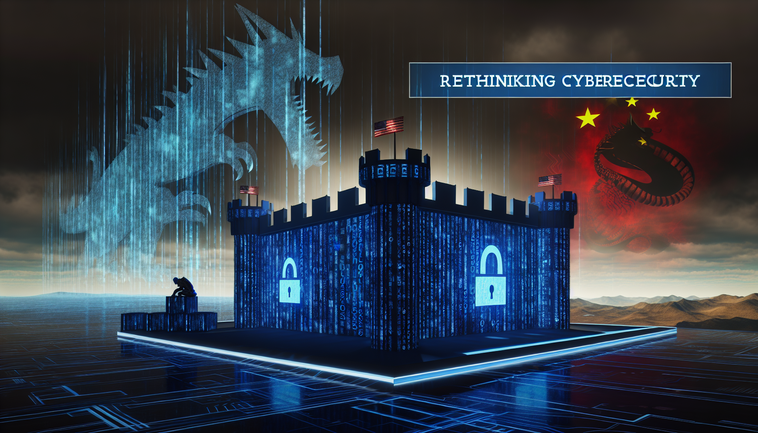
In an era where digital dominance translates into geopolitical strength, the United States faces a formidable challenge: reinforcing its defenses against cyber threats, chief among them being China. Over recent years, China’s cyber capabilities have surged, positioning the nation as a prominent player in an increasingly digital battlefield. This realization has sparked a widespread recognition that America must pivot towards a more resilient and innovative cybersecurity strategy.
The digital landscape we navigate today is far more complex and entwined with global power equations than ever before. China’s ascension in the cyber arena is not merely about technological advancement; it extends into economic, military, and political spheres. Through sophisticated and stealthy cyber operations, China has asserted its presence, compelling the U.S. to question whether its current strategies of deterrence are adequate or outmoded.
America’s traditional approach, predominantly focusing on post-event retaliation, often finds itself steps behind the proactive maneuvers of Chinese cyber operations. This reactive stance fails to address the root of vulnerabilities, leaving critical infrastructures exposed. To match and surpass its adversaries, the U.S. must develop a forward-thinking doctrine that emphasizes anticipation over reaction, pivoting from a purely defensive posture to one that actively thwarts threats before they materialize.
Innovating in this sphere requires not just resources but also a transformation in mindset. American policymakers and tech leaders must foster an environment that encourages robust public-private partnerships. Such collaborations could drive cutting-edge research, bolster defense systems, and enhance information sharing mechanisms. By building a united front committed to cybersecurity, the nation can cultivate a more resilient digital shield.
Moreover, deterring aggressors like China necessitates a clear articulation of consequences. Transparency in policies combined with strategic ambiguity in tactics could serve as a deterrence by signaling potential repercussions while keeping adversaries uncertain about specific U.S. response strategies. This balance could strengthen America’s position in cyber negotiations and dissuasion efforts on the global stage.
Education plays an equally crucial role in this paradigm shift. By investing in cybersecurity education and training, the U.S. can cultivate a new generation of experts equipped to handle the challenges of tomorrow’s digital conflicts. Enhancing these skills across diverse sectors will not only fortify national security but also drive innovation and economic growth.
As the cyberwar intensifies, the crux of America’s success will hinge on its ability to adapt swiftly and decisively. By embracing a comprehensive, multi-faceted strategy, the United States can transform the current risks into opportunities for strengthening its cyber arsenal. Through strategic foresight and collaboration, the nation stands ready to reclaim its leadership in cyberspace, ensuring security for its citizens and allies alike.