






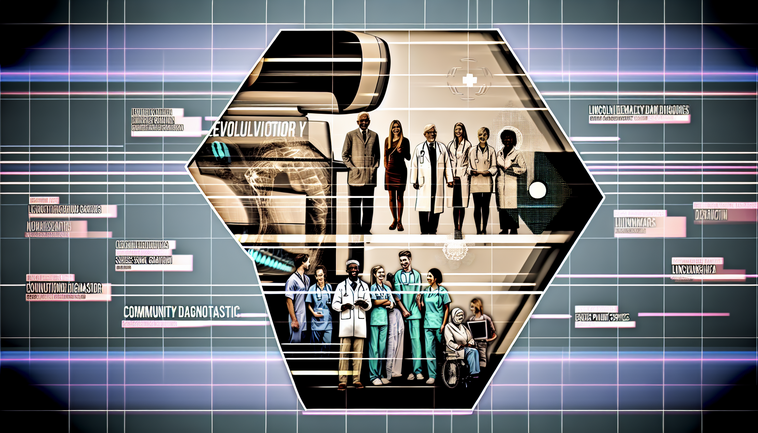
Revolutionizing Healthcare: How New Tech is Transforming Diagnostics in Lincs
In a significant leap forward for healthcare services in Lincolnshire, new technology has been deployed across community diagnostic centers in Lincoln, Skegness, and Grantham, promising to enhance diagnostic efficiency and accuracy. This breakthrough is set to not only expedite patient care but also improve clinical outcomes throughout the region. As hospitals increasingly rely on cutting-edge technology to meet rising healthcare demands, the implementation of this advanced equipment signals a major development in the realm of medical diagnostics.
The newly installed technology represents a modern revolution in diagnostic capabilities. By reducing the time required for scans and diagnoses, these advancements allow healthcare providers to address patient needs more swiftly. This is particularly crucial in emergencies where a rapid intervention can mean the difference between life and death. Furthermore, quicker diagnostic processes can substantially reduce patient anxiety, as results are delivered with less waiting time.
Lincolnshire’s decision to upgrade its diagnostic technology reflects a broader trend within the UK’s National Health Service towards embracing innovation. As hospitals face ongoing pressures from increased patient numbers and complex health conditions, such technological upgrades are vital. Not only do they optimize operational efficiency, but they also enable medical professionals to focus on patient care rather than administrative or procedural bottlenecks.
The implications of these technological advancements resonate beyond just logistical improvements. Enhanced diagnostics pave the way for more precise treatments, minimizing the trial-and-error approach commonly associated with traditional models of healthcare. Patients benefit from more personalized care plans, which can lead to faster recovery times and improved overall health outcomes—an important step in the transition towards patient-centric care.
Moreover, this development underscores the importance of investing in healthcare infrastructure. As technology rapidly evolves, continuous upgrades and maintenance are essential to ensure healthcare facilities remain at the forefront of medical advancements. In the long run, investments in such technology could prove cost-effective, decreasing the need for extended hospital stays and complex medical procedures by catching issues early.
The impact of these advancements reaches also into the professional lives of healthcare workers. With more reliable and faster diagnostics at their fingertips, clinicians and support staff can perform their duties more effectively, leading to improved job satisfaction. The ripple effect of such technological progress can inspire further innovations in healthcare delivery, creating a culture of constant improvement and excellence.
In conclusion, the installation of advanced diagnostic technology in Lincolnshire is a promising step toward a more efficient and responsive healthcare system. It exemplifies how embracing technological advancements can enhance both patient care and operational efficiency. As healthcare continues to evolve, such initiatives highlight the potential for technology to drive meaningful changes in medical practice. Ultimately, the integration of new tech will not only transform diagnostics but will inspire an ongoing journey towards modernized, effective, and compassionate healthcare.