






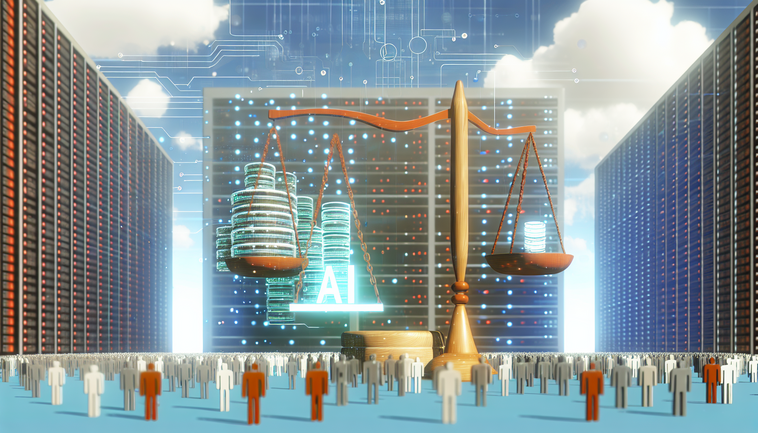
In an era where artificial intelligence is revolutionizing nearly every industry, the potential impact on the workforce is a growing concern. This is especially true for data centers, the backbone of tech giants like Google. Shannon Wait, a Google union organizer, has raised the alarm on the urgent need to ensure fair wages and safe working conditions for these often-overlooked workers while also preparing for the AI job displacement that looms on the horizon.
Data centers are essential in maintaining all things digital, yet the conditions within these hubs are not always conducive to employee well-being. Shannon Wait’s advocacy highlights the fact that many workers in these centers face inadequate pay and strenuous conditions. Her efforts bring a voice to those who ensure our digital lives run smoothly but often remain out of sight and out of mind.
As AI technologies continue to advance and automate more tasks, there is a well-founded fear that many current jobs may vanish or transform radically. Wait emphasizes the need for robust job protections to cushion the potential fallout from this technological evolution. Without such measures, workers may find themselves sidelined by machines, leading to widespread destabilization in employment sectors that are unprepared for this shift.
At the core of Wait’s advocacy is a demand for transparency and involvement in decision-making processes. She believes that workers need a seat at the table to influence how AI integration is managed within their industries. This involvement ensures not only fair implementation but also that the benefits of AI are shared equitably among those whose jobs it affects.
Furthermore, Shannon Wait calls for comprehensive retraining programs. These initiatives could equip current workers with the skills they need to transition into new roles that arise within an AI-driven economy. By investing in their workforce’s development, organizations can mitigate the disruption caused by emerging technologies.
Whether it’s fighting for better wages today or preparing staff for tomorrow’s challenges, the role of unions and worker advocacy groups remains crucial. They serve as the bridge between technology advancements and humane employment conditions. It is through these channels that workers can be assured their rights and futures are protected against rapid changes.
In conclusion, as AI continues its march forward, proactive measures must accompany its adoption. Shannon Wait’s efforts at Google underscore the importance of balancing innovation with social responsibility. By ensuring fair pay, good working conditions, and future-proofed career paths, we can create a more equitable workplace where technology serves humanity and not vice versa.