






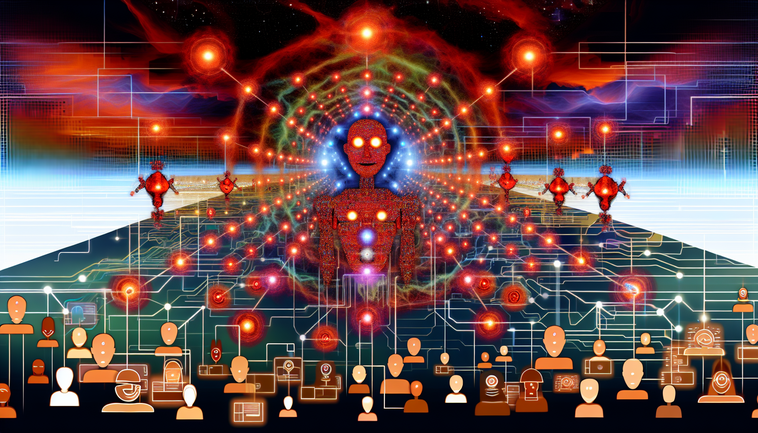
As the digital landscape evolves, one of the most pressing challenges facing nations today is the growing threat of AI-driven disinformation. While disinformation itself is not a new weapon in the arsenal of information warfare, the capabilities that artificial intelligence brings are unmatched, making it an altogether different beast. The ability of AI to generate and disseminate false information has taken the threat to unprecedented levels, leaving many countries, including the United States, unprepared for this new form of digital conflict.
The advent of AI in disinformation has dramatically shifted the playing field. These advanced systems can produce highly convincing content that is difficult to distinguish from authentic information. Deepfakes, for instance, can generate videos of public figures saying things they never did, blurring the line between what is real and what is fabricated. This poses a significant challenge for intelligence agencies and the public alike, as the traditional methods of verification are no longer sufficient.
One of the core issues with AI-driven disinformation is the speed and scale at which it can be deployed. Unlike traditional disinformation campaigns that relied on manpower and time to infiltrate the public sphere, AI can craft and distribute these narratives at lightning speed, flooding social media platforms and news sites. This rapid dissemination makes it difficult for fact-checkers and regulators to catch up, often allowing these falsehoods to take root before they can be quashed.
Moreover, AI’s ability to tailor disinformation to target specific groups and individuals is especially concerning. By analyzing patterns and preferences, AI systems can create messages that resonate deeply with their intended audiences, making them more likely to believe and share false information. This personalization not only increases the efficacy of these campaigns but also contributes to the growing polarization seen in many societies today.
Despite the clear and present dangers, America’s defense mechanisms against AI-enhanced disinformation are still in the development stages. While there are ongoing efforts to research and understand these threats, the current defenses are rudimentary at best. This gap in preparedness not only leaves national security at risk but also endangers the democratic fabric of society, which relies on an informed and discerning public.
Yet, all hope is not lost. Governments, tech companies, and civil society must come together to formulate comprehensive strategies to combat this issue. This includes investing in AI technologies that detect falsehoods, implementing stricter regulations on digital platforms, and enhancing public education on media literacy. By fostering collaborations that transcend traditional boundaries, it’s possible to develop robust countermeasures against these increasingly sophisticated threats.
In conclusion, the emergence of AI in the realm of disinformation warfare marks a pivotal moment in global security dynamics. As we stand on the brink of this new digital era, it is imperative that all stakeholders recognize the magnitude of these challenges. Only through proactive measures, strategic collaboration, and a commitment to safeguarding truth can we hope to mitigate the potentially devastating impacts of AI-powered deception.