






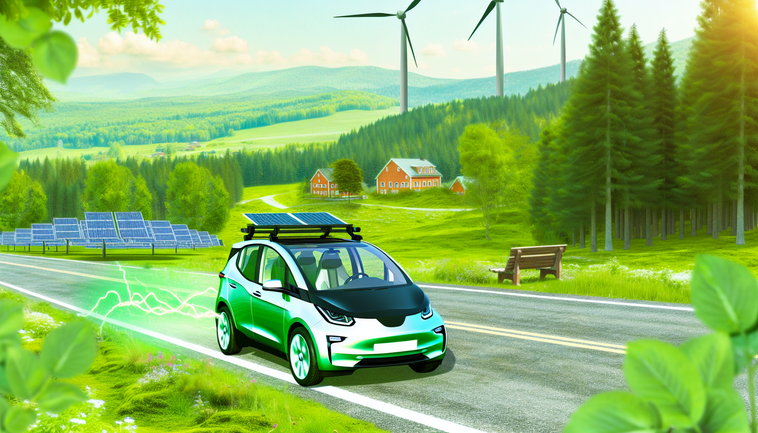
Vermont has long embodied the ideal of progressiveness, particularly when it comes to environmental initiatives. The state’s forward-thinking stance shines clearly in its commitment to electrifying transportation. With a focus on reducing emissions, Vermont’s ambition to transition from fossil-fueled vehicles to electric variants is noteworthy. Residents are not just embracing passenger electric cars but are also pioneering changes in areas like public transportation, waste management, and even utility vehicles.
The dedication of Vermonters to adopt electric vehicles (EVs) manifests across various aspects of daily life. School buses are running quietly on electricity, delivering students without the diesel fumes of the past. Meanwhile, the hum of electric garbage trucks is becoming a common sound in neighborhoods, replacing the roar of traditional engines. This shift reflects the community’s commitment to sustainability, cleaner air, and responsible energy consumption.
Passenger vehicles signify the most tangible shift in Vermont’s vehicular landscape. The rocky transition from conventional cars to EVs might seem daunting, but Vermonters are leading by example. As charging infrastructure expands, people are more inclined than ever to invest in electric cars. Moreover, the variety now extends to rugged electric pickup trucks that cater to the demand for versatility in both urban and rural settings.
Vermont’s unique geography and climate pose specific challenges to the adoption of electric vehicles. However, these challenges are being met with innovative solutions. Local initiatives and state government incentives are working to ensure that the electric vehicle market remains accessible and appealing. The introduction of fast-charging stations across the state simplifies long-distance travel fears, encouraging more households to consider EVs as their primary mode of transport.
The push for electric vehicles is not just about decreasing emissions; it is also about setting a precedent for future generations. Vermont is demonstrating that sustainable practices can be integrated into everyday life without compromising functionality or convenience. The state has positioned itself as a model for others to follow, showing that societal change is feasible with commitment and strategic planning.
The economic impact of this transition is another factor to consider. As demand for electric vehicles rises, new opportunities for business and employment are emerging. From production to maintenance, the electric vehicle industry brings fresh prospects, potentially reinvigorating local economies. Vermont’s pivot toward electric vehicles is not merely an environmental win; it’s an investment in future economic resilience.
In conclusion, Vermont’s progressive attitude toward electric vehicle adoption is a testament to the state’s values and vision for a sustainable future. By embracing change with open minds and a steadfast determination, Vermonters are paving the way for a cleaner, more responsible world. As the state continues to innovate and inspire, it becomes increasingly clear that a shift toward electrified transportation is both a necessary and achievable goal for a better tomorrow.