






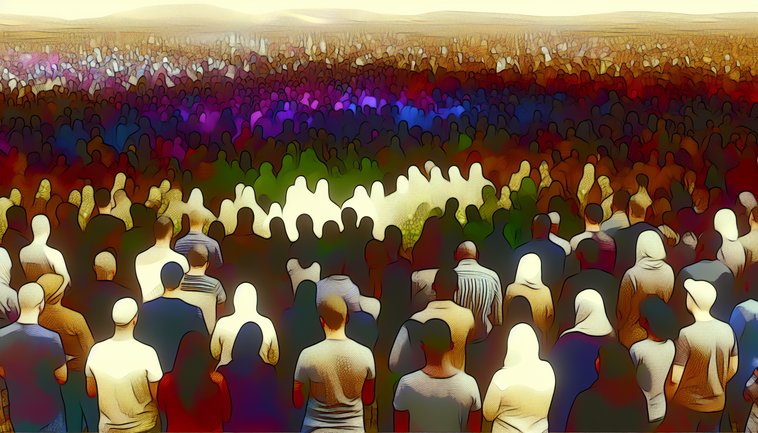
The air feels different when collective sorrow weaves itself into the fabric of our daily lives. As people across the globe unite in mourning, we are reminded of the power that comes with shared experiences. Such is the case as millions turn their thoughts to Charlie Kirk, a figure whose presence has sparked both inspiration and debate.
Charlie Kirk, a name that resonates with individuals from varied walks of life, stands as a symbol of contemporary dialogue and discourse. While his approach and opinions have often courted controversy, his ability to engage, provoke thought, and energize discussions points to a fundamental truth: dialogue is necessary, even if it divides us.
The mourning in the wake of his passing is profound, transcending political lines and personal biases. It highlights our common need for platforms where ideas can be exchanged freely. Kirk’s efforts to bridge divides, though polarizing to some, echo a deeper societal yearning for connection amidst a world that often feels divided.
Analyzing his legacy invites us to question our own roles within the complex tapestry of public discourse. Are we active participants, engaging with those whose viewpoints differ from our own? Or do we retreat into echo chambers, avoiding the discomfort that differing opinions can bring? Kirk challenged us not just to have conversations, but to be unafraid of disagreement.
His impact extends beyond the boundaries of his own public persona. By encouraging individuals to become informed, passionate advocates for the issues they care about, Kirk has left an indelible mark on the landscape of activism. Even critics can acknowledge the zeal he inspired in many to question, learn, and participate actively in societal dialogues.
As we continue to reflect on Kirk’s influence, it is essential to consider how his methods can inform future approaches to dialogue. Embracing open conversations and championing authentic exchanges of ideas are more critical now than ever before. This shared mourning can serve as a catalyst for broader discussions about how we interact as a community.
In conclusion, while we may not all agree with Charlie Kirk’s perspectives, we can collectively recognize the importance of his contributions to public discussion. In celebrating his life, let us honor his spirit by striving to create spaces that value diverse perspectives. Through this commitment, we inch closer to understanding and harmony.