






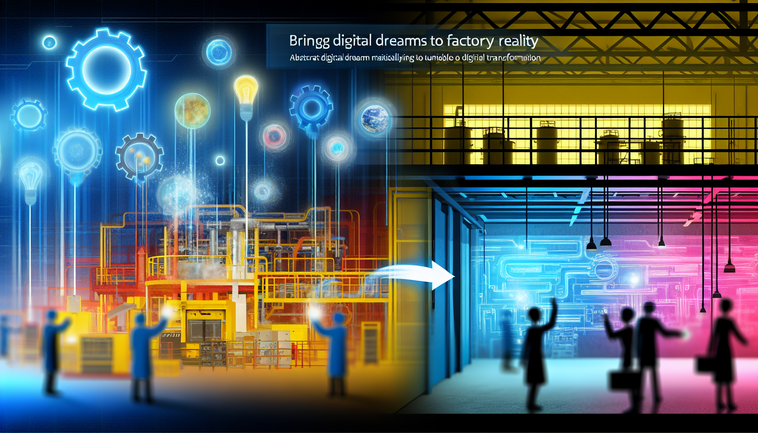
In the rapidly evolving landscape of technology and manufacturing, the promise of digital transformation looms large. However, the gleaming potential of advanced tech is only as real as its implementation on the factory floor. Manufacturers stand at the crossroads of innovation, faced with the challenge of integrating sophisticated digital tools into their traditional operations. This transformation is far from instantaneous; it is a deliberate journey that reshapes every dimension of production.
The allure of cutting-edge technologies—like AI, IoT, and cloud computing—in manufacturing is undeniable. These tools promise real-time data analysis, enhanced automation, and improved efficiency. Yet, the real magic happens when they are fully integrated into the daily workings of the factory. The essence of a successful digital transformation lies in ensuring that these technologies do not remain isolated innovations but become seamless parts of the production process.
Effective digitization necessitates a strategic approach, grounded in the realities of the manufacturing environment. Manufacturers must ask not only how these technologies benefit their operations but also how they align with their industrial ecosystems and workforce capabilities. This involves engaging with employees who operate the machines, collecting insights from ground-level experiences, and adapting technologies to fit existing workflows.
While innovation is often driven from the top down, the heart of effective digital transformation beats on the factory floor. Workers need the training and support to adapt to new systems, which underscores the importance of human-centric strategies in tech adoption. Training programs and iterative rollouts can mitigate resistance to change and ease the transition, ultimately ensuring that technology boosts productivity rather than hinders it.
Equally critical is the evaluation of current digital transformations to ensure they are meeting the desired objectives. This involves setting clear, measurable goals and continuously assessing progress against these benchmarks. Feedback loops are crucial here; they offer insights into what works and what doesn’t, allowing manufacturers to pivot and refine their strategies.
The global manufacturing landscape is incredibly diverse, and digital transformation is not a one-size-fits-all solution. What works for a high-tech factory in Silicon Valley may not be suitable for a traditional plant in the Midwest. Tailored approaches, which consider the specific needs and capabilities of each factory, are essential in crafting a successful digital integration strategy.
In conclusion, digital transformation in manufacturing is a complex tapestry of technology, strategy, and human elements woven together. As manufacturers strive to bring digital innovations to the factory floor, they must embrace a careful balancing act—ensuring that technology enhances rather than disrupts. When done right, the seamless harmony between advanced tech and traditional manufacturing processes can redefine efficiency and productivity, paving the way for a future where digital dreams become daily realities.