






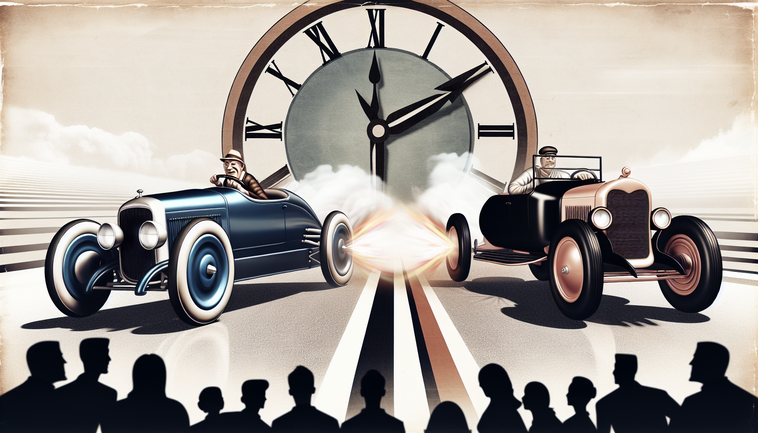
In the fast-paced realm of the automobile industry, few brands have a legacy as storied as Ford and General Motors. However, these giants now face an unprecedented challenge—redefining themselves in the era of electric vehicles (EVs) and innovative technology. With entrepreneurs like Elon Musk speeding ahead, the pressure mounts for these Detroit stalwarts to revitalize their strategies and secure their place in the future of transportation.
This year, auto execs across the board found themselves donning a new kind of cap—not a fashion choice, but a metaphorical challenge. In Silicon Valley, the tech-driven ethos is symbolized by Musk’s emblematic red baseball cap, indicative of Tesla’s groundbreaking strides in electric innovation. Meanwhile, Ford and GM are working tirelessly to shed their traditional image and craft a new identity that resonates with today’s eco-conscious consumers.
The shift to electric is not just a trend; it’s a tectonic shift in the auto industry’s landscape. Government mandates for eco-friendly policies and a growing consumer preference for sustainable transportation have pushed legacy carmakers to rethink their portfolios. Ford and GM, while late to start, have made significant investments in EV technology. Yet, their race against the clock is a test of how quickly and effectively they can transition.
Competition is fierce. New players, unhindered by decades of gasoline dependence, are nimble and innovative, creating pressure for older giants to mirror this agility. Ford has its eyes set on incursions into the electric truck market, while GM has pledged to go all-electric by the year 2035. These are bold promises, but they require more than ambition—they need a deep restructuring of production processes and corporate strategies.
Beyond technology, consumer perception is another battleground. The nostalgic association with muscle cars and fuel-guzzling trucks must evolve. Ford and GM are tasked with educating their customers, creating not just cars, but new lifestyle promises. Building an infrastructure that supports EVs, investing in renewable energy sources, and developing a comprehensive brand narrative that tells this story are crucial in winning hearts and minds.
The roadblock? Transformations of this scale require time, and time is a luxury. Balancing continued production of their current successful lines with the pivot to electric is no small feat. Financial strain during this transition phase can also be daunting, as companies navigate fluctuating market demands and global economic uncertainties.
As the clock ticks, Ford and GM’s future depends on balancing homage to their rich histories with a forward-looking vision. Success will hinge on daring leadership, innovative technological investment, and adaptive business models that can thrive in an electrified world. For these automotive icons, this moment is not just about survival but laying the groundwork for the next century of mobility.